Aegishjalmur: The Viking Symbol of Protection and Power
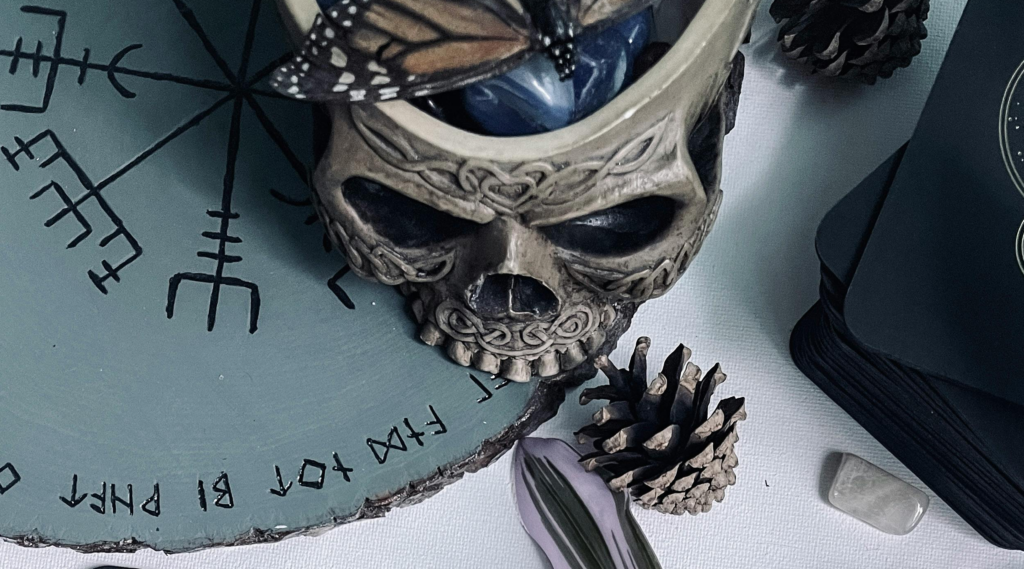
Among the most striking symbols of the Norse magical world stands Aegishjalmur — the Helm of Awe. It appears in medieval Icelandic grimoires as a protective stave, drawn not for ornament but for power. Vikings used it to strengthen their courage, guard their mind from fear, and intimidate enemies long before the first sword was raised. Unlike shields or runes carved into metal, this symbol lived on the skin and in the spirit: painted on the forehead, carried secretly, or visualized in ritual.
Its eight-armed design radiates outward like a circle of force. Each arm marks a boundary that cannot be crossed, a space where clarity and will remain untouched. In the sagas, warriors and magicians called upon Aegishjalmur not only for victory, but for presence of mind — the ability to stand still inside chaos and remain unbroken.
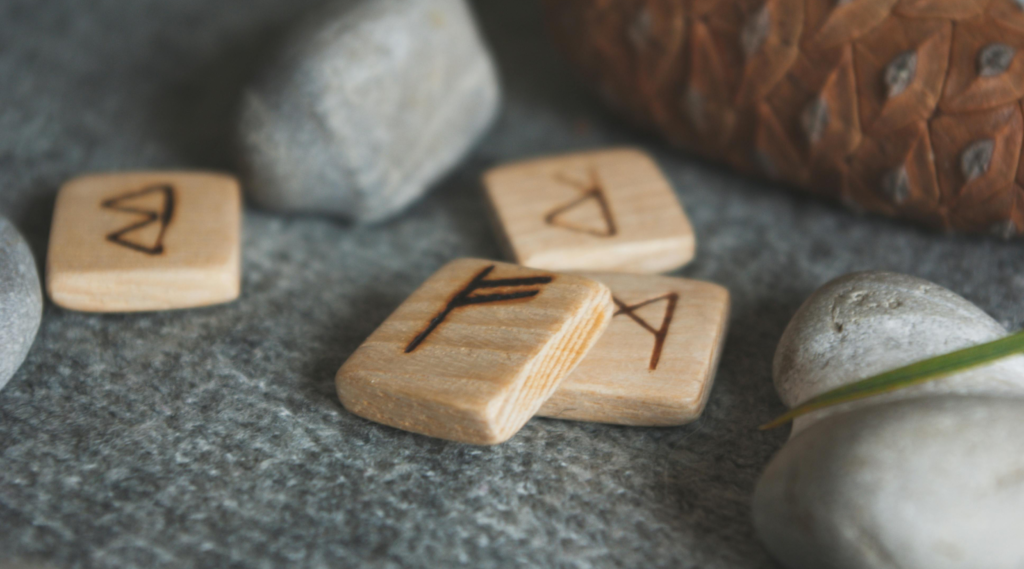
Today, this ancient stave continues to shape modern rune practice. It is invoked in meditation, talisman craft, and protective work to reinforce inner resilience and sovereignty. Whether interpreted as psychological focus, spiritual armor, or a ritual seal, its meaning remains constant: Aegishjalmur protects, fortifies, and restores the quiet certainty of one’s own power.