
Ansuz Rune
The Ansuz rune belongs to Odin, the supreme god of the Norse pantheon. It stands as the rune of eloquence, intellect, secret knowledge, and high awareness.
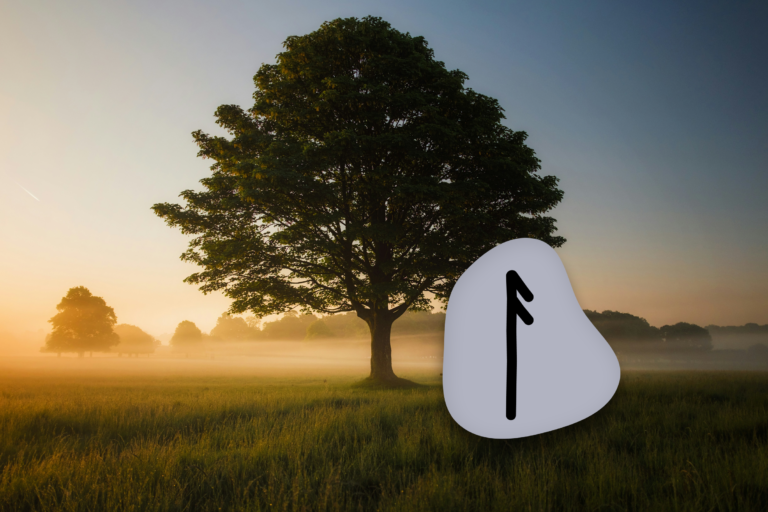
The Ansuz rune belongs to Odin, the supreme god of the Norse pantheon. It stands as the rune of eloquence, intellect, secret knowledge, and high awareness.
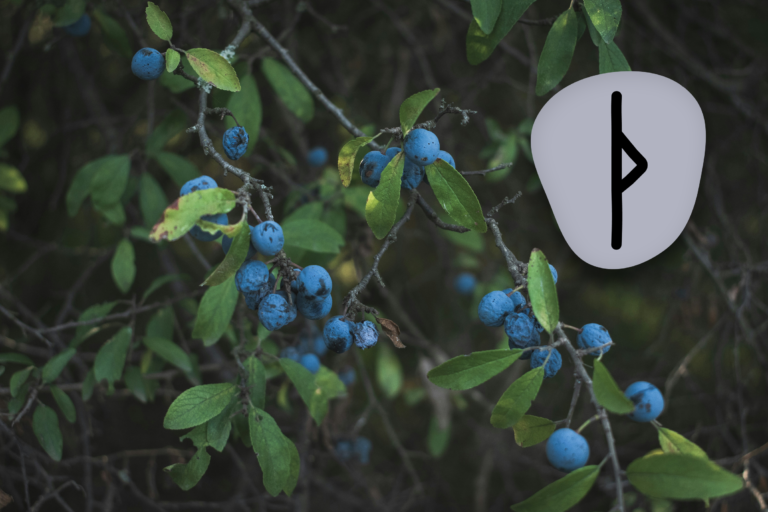
The Thurisaz rune is a powerful and heavy symbol associated with giants (thurses) and Thor’s hammer.
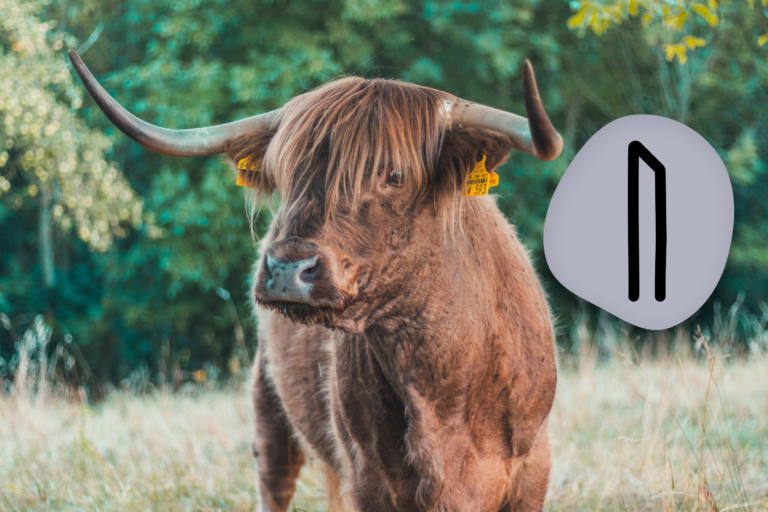
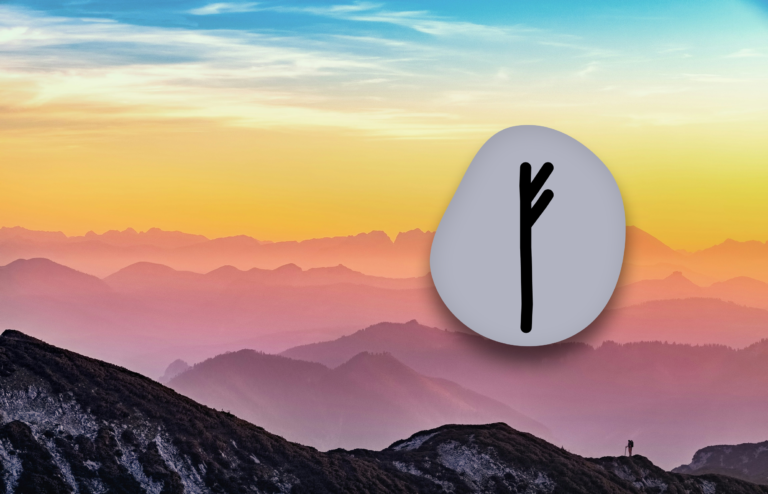
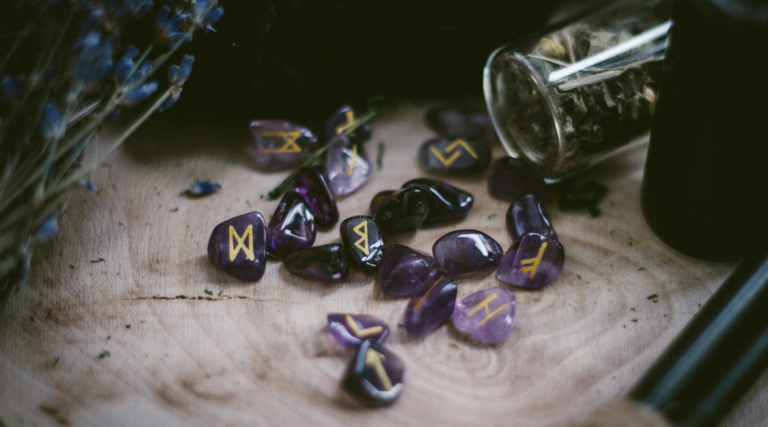
Many mistakenly perceive runes as “magic pills” or autonomous batteries that do everything on their own. However, a rune is not the source of power; it is a tool.
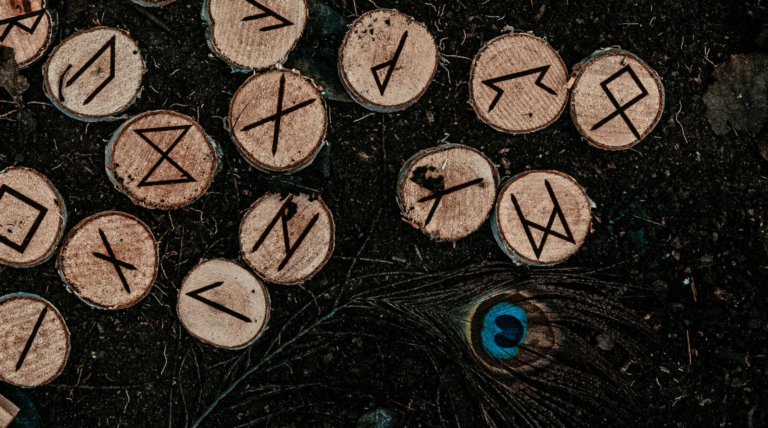
Runes are a system of graphic magic. To activate a symbol’s power, you must bring it from the realm of thought into the material world.
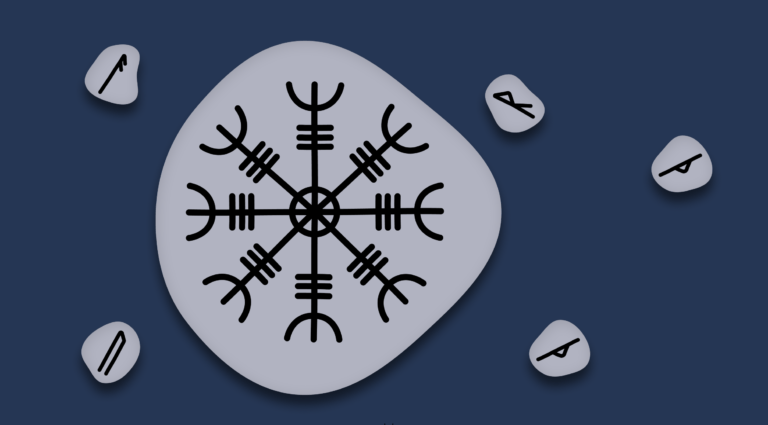
Among the most striking symbols of the Norse magical world stands Aegishjalmur — the Helm of Awe. It appears in medieval Icelandic grimoires as a protective stave, drawn not for ornament but for power.
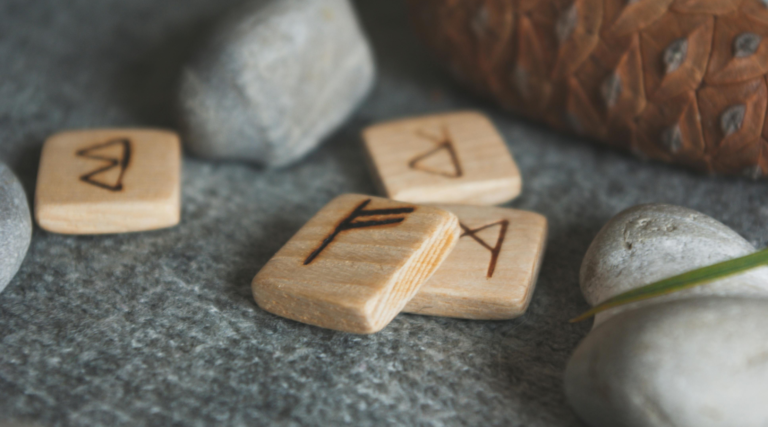
The material you choose for creating runes shapes not only their appearance, but the way they work. In Norse tradition, runes were carved from what the land offered: wood, bone, stone, and horn. Each held its own voice.
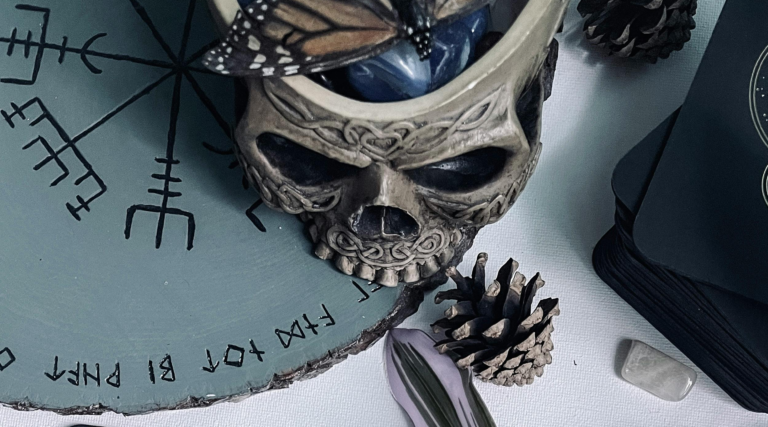
For centuries, runes have been more than just letters. They carried meaning, power, and intention. One of the most fascinating ways runes were used in Northern traditions is through rune staves—unique symbols created by combining different runes into one design. But what exactly are rune staves, how do they work, and how can you use them today?