
How to Use Runes
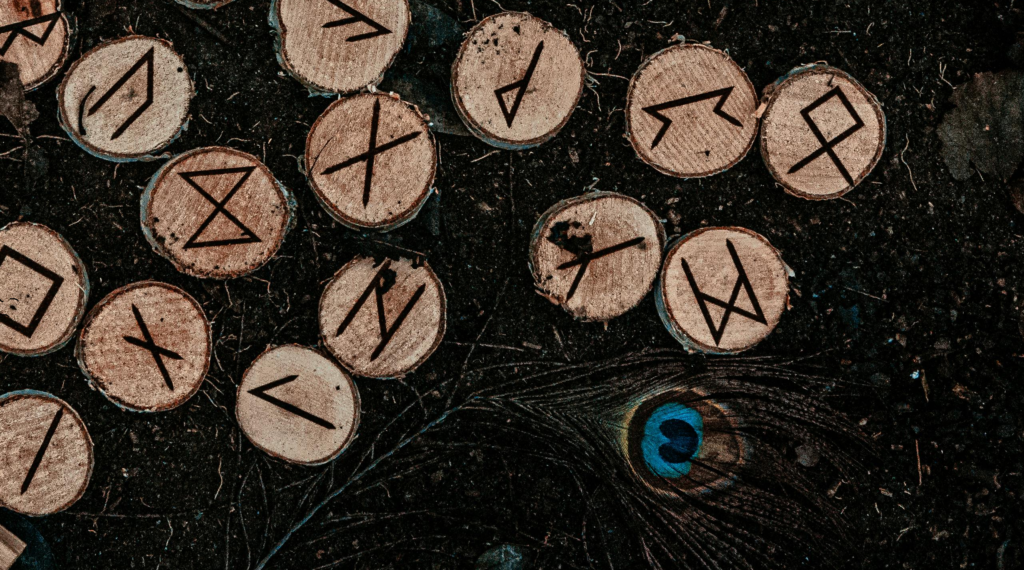
Main Meanings of runes Main Meanings of runes How to Use Runes Runes are a system of graphic magic. To activate a symbol’s power, you must bring it from the realm of thought into the material world. The essence of using runes is simple: you create a physical carrier that begins to broadcast the energy of the sign into your space. Here are the primary ways to integrate runes into your life: 1. The Body as a Living Carrier Applying runes to the skin is one of the fastest ways to resonate with their energy. Temporary Marks: Runes are often drawn on the wrist or shoulder using a marker, natural henna, or essential oils. This is ideal when you need “here and now” support (e.g., Fehu for a major deal or Tiwaz before a challenge). Once the task is complete, the mark is washed off with gratitude. Tattoos: This is a serious step that links your energy with a rune permanently. Most people choose individual runes or “staves” (complex combinations of several symbols) that reflect their core qualities or their life’s path. 2. Protecting Space: Home and Vehicles Runes work excellently as talismans for property and environment. Home and Walls: Traditionally, runes were placed above the front door or on doorframes to protect the home from negativity (Algiz or Othala are often used). Signs can be painted, carved into wood, or applied “invisibly” using a finger with a drop of oil. Vehicles: For protection on the road and safe travel, runes (such as Raido) are applied to the body of the vehicle or hidden inside the cabin as a sticker or charm. 3. Objects of Power: Jewelry and Amulets Wearing runes as accessories is a classic method that allows you to maintain contact with the symbol 24/7. Materials: Natural carriers work best: silver, gold, copper, wood, or stone. Form: This can be an engraved ring, a pendant with a single rune, or a bracelet featuring an entire runic formula designed for a specific goal. 4. Traditional and Everyday Methods Runic magic can be subtle yet effective in daily life: Water and Food: You can “draw” runes on the surface of water before drinking it, charging the liquid with a specific intent (e.g., Uruz for health). Digital Devices: A modern method is to set images of runes or staves as your phone or laptop wallpaper, especially if your work is tied to the digital space. In the Wallet: Keeping a Fehu rune, drawn on a slip of paper or a small wooden plaque, is a traditional way to attract financial flow. The Golden Rule Runes work through your intention. It doesn’t matter if a rune is engraved on a luxury ring or scratched into tree bark — it becomes “active” only when you clearly understand why you are using it and what result you aim to achieve.
Aegishjalmur: The Viking Symbol of Protection and Power
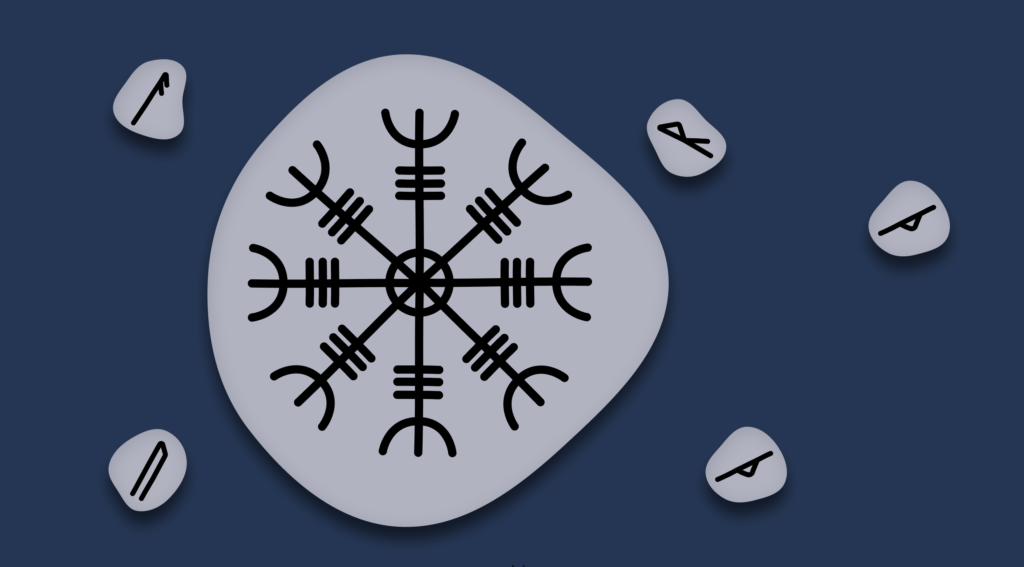
Main Meanings of runes Main Meanings of runes Aegishjalmur: The Viking Symbol of Protection and Power Among the most striking symbols of the Norse magical world stands Aegishjalmur — the Helm of Awe. It appears in medieval Icelandic grimoires as a protective stave, drawn not for ornament but for power. Vikings used it to strengthen their courage, guard their mind from fear, and intimidate enemies long before the first sword was raised. Unlike shields or runes carved into metal, this symbol lived on the skin and in the spirit: painted on the forehead, carried secretly, or visualized in ritual. Its eight-armed design radiates outward like a circle of force. Each arm marks a boundary that cannot be crossed, a space where clarity and will remain untouched. In the sagas, warriors and magicians called upon Aegishjalmur not only for victory, but for presence of mind — the ability to stand still inside chaos and remain unbroken. Today, this ancient stave continues to shape modern rune practice. It is invoked in meditation, talisman craft, and protective work to reinforce inner resilience and sovereignty. Whether interpreted as psychological focus, spiritual armor, or a ritual seal, its meaning remains constant: Aegishjalmur protects, fortifies, and restores the quiet certainty of one’s own power.
Materials for Making Runes
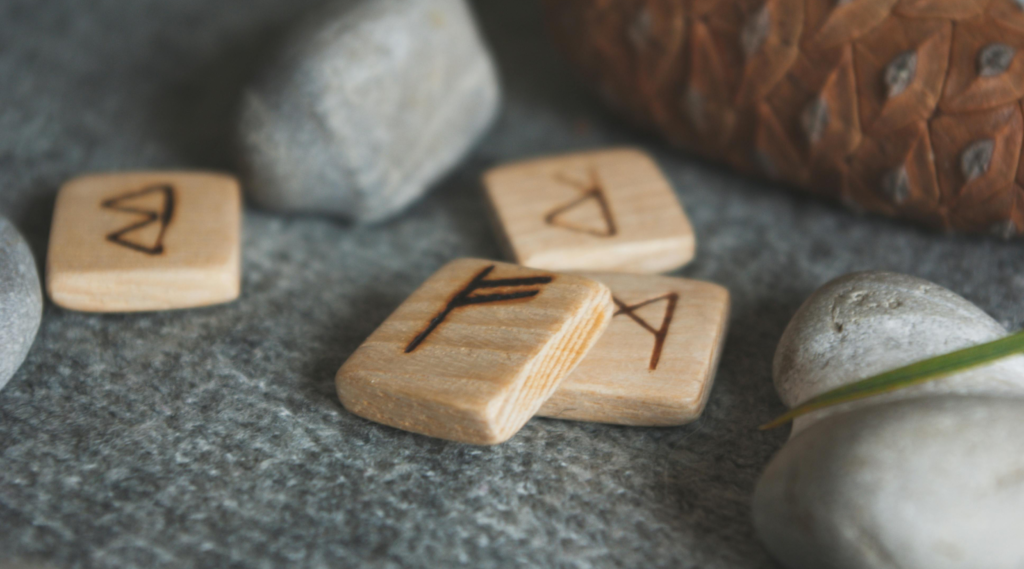
Main Meanings of runes Main Meanings of runes Materials for Making Runes The material you choose for creating runes shapes not only their appearance, but the way they work. In Norse tradition, runes were carved from what the land offered: wood, bone, stone, and horn. Each held its own voice. Wood was favored for divination and everyday magic because it was alive and responsive; it carried the quiet pulse of the tree it came from. Stone was used when permanence mattered – for oaths, memorial runes, and protective marks that needed to endure weather and time. Bone and horn, often linked to ancestral force, were selected for deeper ritual work. They connected the rune-caster to lineage, memory, and spirit. Metal, though less common historically, found its place later as talismanic craft grew. Bronze, iron, and silver lend runes a sharper, more defined presence, often used for amulets of protection or battle-strength. Each surface takes the cut of the rune differently, leaving character in every line. Modern practitioners continue this tradition with intention. Whether you carve runes by hand or purchase a crafted set, the question remains the same: what material aligns with your purpose? For introspection and divination, wood and clay offer warmth and subtle guidance. For long-term protection and ritual work, stone and metal carry steadiness. Material is a silent collaborator – it listens, receives, and shapes the magic you place in it.
Rune Staves: How They Work and How to Use Them
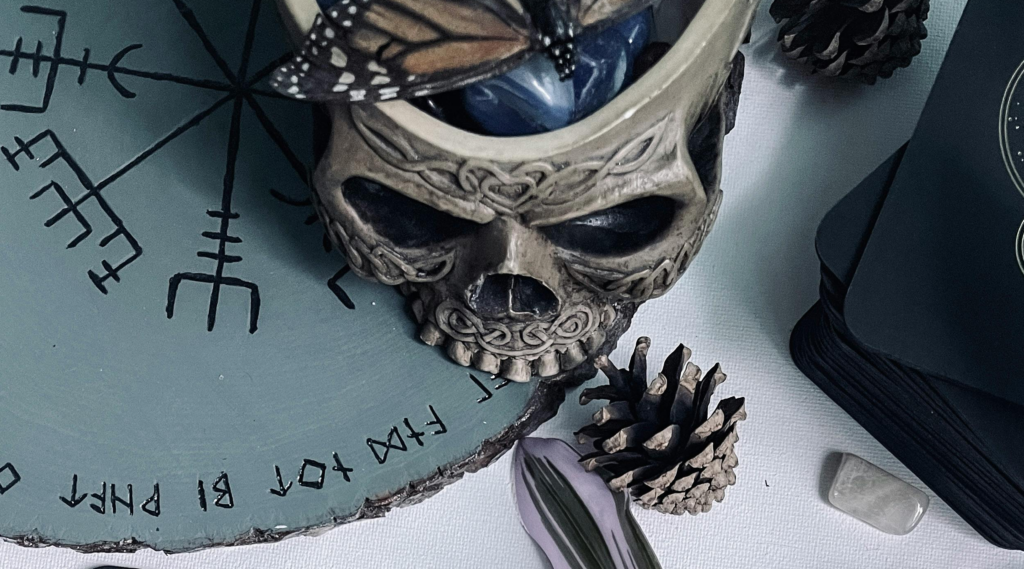
For centuries, runes have been more than just letters. They carried meaning, power, and intention. One of the most fascinating ways runes were used in Northern traditions is through rune staves—unique symbols created by combining different runes into one design. But what exactly are rune staves, how do they work, and how can you use them today?